
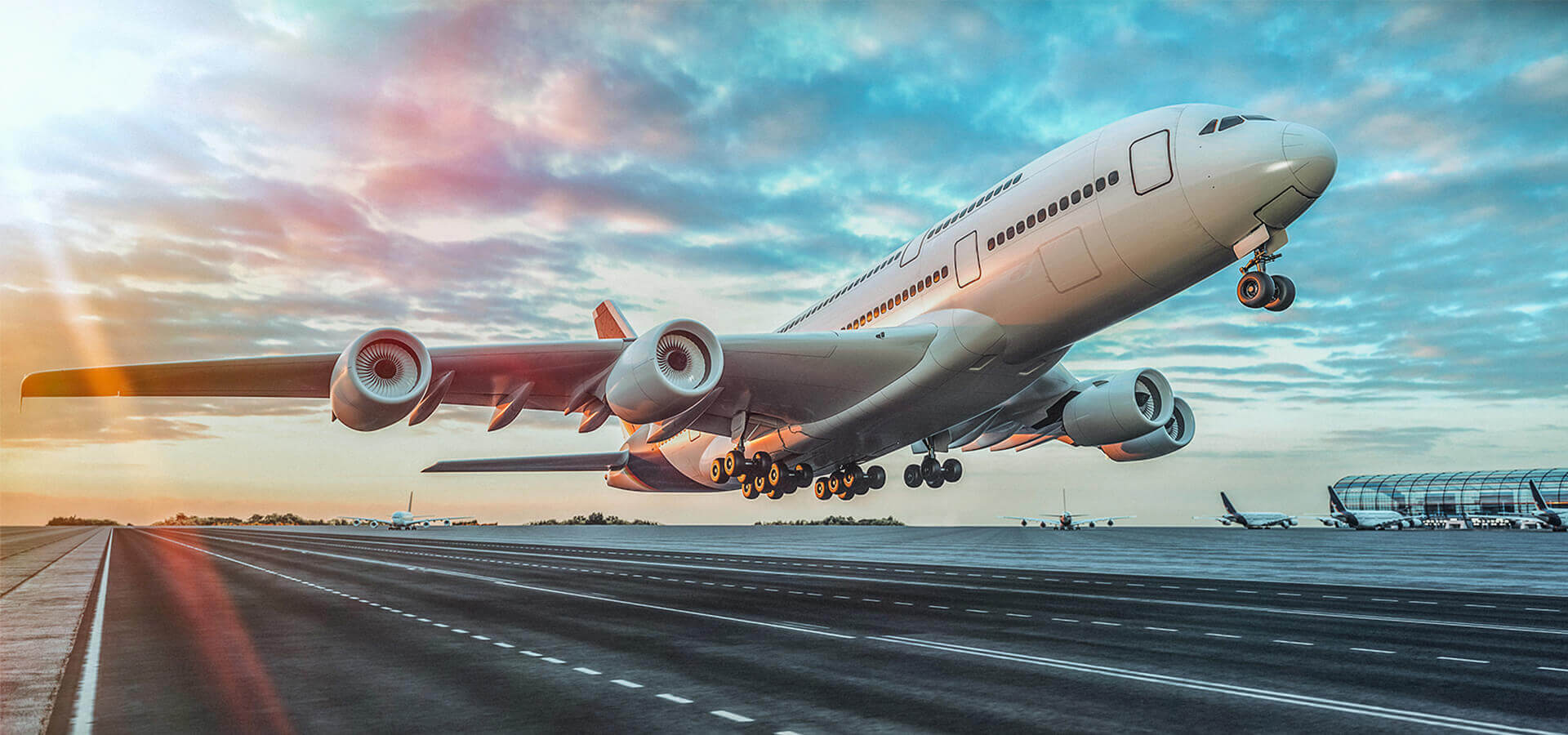
Capacity constraints and supply-demand imbalances significantly impact air cargo services, shaping the efficiency and cost of global trade, including imports from China to Pakistan. These limitations arise from factors such as limited aircraft availability, infrastructure challenges, and operational issues, while demand fluctuations are driven by seasonal peaks, geopolitical tensions, and sudden surges like e-commerce growth. These dynamics cause rising freight rates, delivery delays, and supply chain disruptions. However, the industry is adopting strategies such as expanding freighter fleets, using digital tools, and upgrading infrastructure to enhance resilience and service reliability.
Capacity Constraints in Air Cargo Services
One major cause of capacity constraints is limited aircraft availability. Passenger flight reductions have decreased belly cargo space, and the specialized freighter fleets are limited in number, restricting overall cargo capacity. Infrastructure limitations such as airport congestion and inadequate warehousing also bottleneck cargo handling. Operational challenges include crew shortages and maintenance delays, further limiting effective cargo transport capacity in air cargo services.
Drivers of Supply-Demand Imbalance
Seasonal market fluctuations, especially during holidays and e-commerce peak periods, cause spikes in air cargo demand. Global trade disruptions like geopolitical tensions and economic instability add to unpredictability. Sudden demand surges, for example, during medical supply transportation needs in pandemics or the rapid growth of e-commerce, increase pressure on air cargo services, worsening the balance between capacity and demand.
Impact on Air Cargo and Trade
These supply-demand imbalances lead to rising freight rates as limited capacity forces price increases. Delivery delays and reduced reliability occur due to longer transit times and complex rerouting. Shippers face higher logistics costs and potential inventory shortages, affecting businesses relying on timely imports. For example, importing from China to Pakistan by air freight remains faster (3 to 5 days) than sea routes but faces capacity-driven cost challenges.
Industry Responses and Mitigation
To address these challenges, the industry is investing in expanding freighter fleets by converting passenger aircraft and acquiring new cargo planes. Digital tools like AI-driven forecasting and optimized route planning help improve efficiency. Infrastructure upgrades involve automated warehouses and expanded cargo terminals for better handling. Collaboration among airlines, forwarding agents, and logistics companies also helps stabilize capacity availability and service quality.
Future Outlook
Air cargo demand is expected to keep growing, driven by expanding e-commerce and global trade. Emerging technologies such as drones and autonomous cargo aircraft may revolutionize capacity solutions. Building long-term resilience requires continuous infrastructure investment and embracing new technologies to prevent future supply-demand imbalances.
EB Logistics offers reliable air cargo services that navigate these capacity and supply challenges effectively. Specializing in import from China to Pakistan, including DDP shipping, they provide end-to-end logistics support through an extensive network that ensures timely and secure cargo delivery across Pakistan with a focus on seamless air cargo services, making them a trusted logistics company in the market.
This balanced approach between understanding capacity constraints and addressing supply-demand imbalances is essential for stable, efficient air cargo services and smooth international shipping, such as China to Pakistan shipping, ensuring businesses can thrive even amidst global logistics challenges.