
Imagine your business is waiting for a shipment of products from China, but your stock is running low and customers are already placing orders. Choosing a slower delivery option could mean missed sales, unhappy customers, and pressure on your cash flow.
This is where air cargo can make a real difference. It moves goods by aircraft and is often a better choice when delivery time matters more than the lowest shipping price. Standard courier delivery can work well for smaller parcels and routine shipments, but it may not suit every commercial import.
For Pakistani importers, the right choice depends on shipment size, urgency, total cost, and customs requirements. Understanding these differences helps you choose a shipping method that protects your delivery schedule without putting unnecessary pressure on your budget.
What Is Air Cargo?
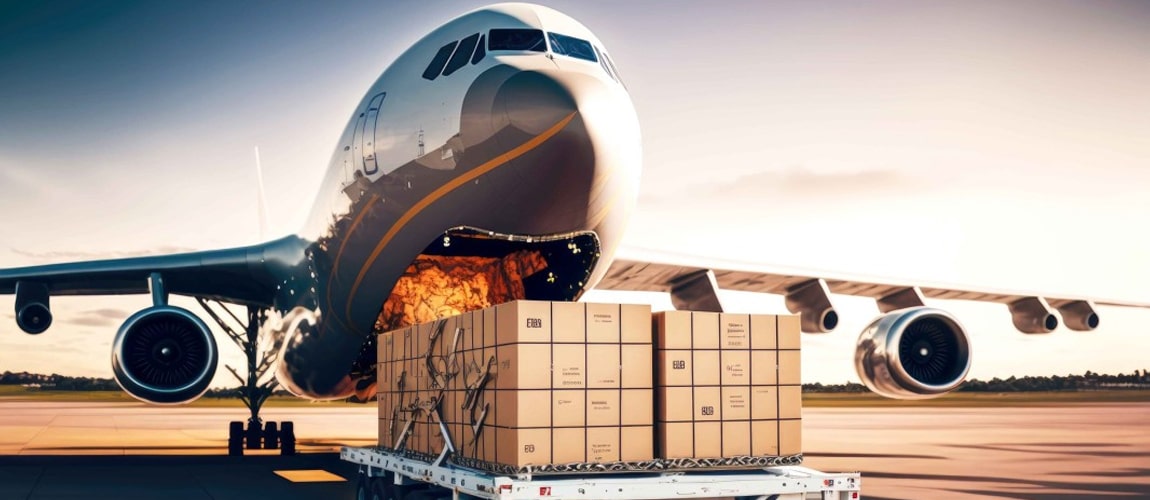
Air cargo is the transportation of goods by aircraft, usually through commercial airlines or dedicated cargo aircraft. Businesses use it to move products internationally when speed, careful scheduling, or faster stock replenishment matters.
For Pakistani importers, air freight is particularly useful for goods arriving from China. EB Logistics offers air cargo services from Guangzhou and Yiwu, with support for customs clearance, shipment tracking, and delivery across Pakistan.
Standard courier delivery, meanwhile, generally handles individual parcels and documents through a courier company's collection, sorting, transportation, and last-mile delivery network. Some international couriers also use air transport, so the real difference depends on the service, shipment size, handling arrangements, and final delivery commitment.
When Should You Choose Air Cargo?
The best time to choose air cargo is when waiting for a cheaper shipping option could cost your business more than the extra freight charges. Consider it when your delivery deadline, stock levels, or product value makes speed a priority.
1. When Your Stock Is Running Low
Running out of stock can affect sales, customer trust, and your ability to fulfil orders. If your warehouse is nearly empty and your next shipment is still with your supplier in China, air freight can help replenish inventory faster than sea freight.
For example, an online store selling mobile accessories may need another batch of popular products before a major sales campaign. Paying more for air cargo could make sense if the goods arrive in time to fulfil customer orders.
2. When You Have a Strict Deadline
Some shipments have a deadline you cannot easily change. You may need product samples for a buyer's meeting, replacement components for a production line, or promotional items before a scheduled launch.
In these cases, air cargo gives you a faster transportation option. However, always confirm the estimated arrival date, customs clearance requirements, and final delivery schedule before booking. Faster international transport does not guarantee immediate delivery to your warehouse.
3. When Shipping Small, Valuable Products
Small, high-value products can be suitable for air freight because their compact size may make the higher transport cost easier to justify. Electronics accessories, precision components, and product samples are common examples, depending on the applicable shipping restrictions.
Air freight can also reduce the time your shipment spends in transit. However, faster shipping does not automatically mean better security. Check the packaging requirements, insurance options, handling procedures, and carrier restrictions before sending valuable goods.
4. When You Need Samples Before Bulk Orders
Importers often need to inspect samples before committing to a large order. Waiting for a sea shipment could delay product testing, supplier approval, or negotiations with a potential buyer.
Air cargo can help bring samples from China to Pakistan sooner. Once the product meets your requirements, you can arrange the larger order through sea freight if the delivery schedule allows. This approach balances the need for speed with the lower per-unit shipping cost often available for bulk cargo.
5. When Delays Could Affect Production
Manufacturers depend on a steady supply of raw materials, components, and replacement parts. If one missing item stops production, the cost of waiting may exceed the additional freight expense.
Air cargo can be a practical option for urgent replacement parts or smaller batches of essential materials. Before choosing it, compare the freight cost with the likely cost of downtime, missed orders, and delayed production.
Air Cargo vs Standard Courier Delivery
Although both services can move goods quickly, they are designed around different shipping needs. Understanding how they differ will help you select the right option for your shipment.
| Factor | Air cargo | Standard courier |
| Main purpose | Freight and commercial shipments | Parcels, documents, and smaller consignments |
| Shipment size | Small packages to larger freight, subject to carrier limits | Usually individual parcels within service limits |
| Transit speed | Often faster than sea freight | Depends on the courier, service level, and route |
| Pricing | Based on chargeable weight, dimensions, route, and service | Based on parcel weight, dimensions, destination, and service |
| Customs handling | May require freight-specific documentation and clearance | Often includes courier-managed clearance arrangements |
| Best suited for | Urgent stock, commercial goods, and larger consignments | Documents, samples, and routine parcel deliveries |
These are general differences, not fixed rules. Express courier services can be faster than some air freight arrangements, while air cargo may involve additional handling before final delivery.
Compare the complete delivery service, not just the transport method. Ask about collection, departure schedules, customs clearance, handling charges, and delivery to your final address.
When Is Standard Courier Delivery Better?
Air cargo is not always the right answer. For many shipments, standard courier delivery offers a simpler and more suitable way to get goods to their destination.
Choose a standard courier when:
- You're sending documents: Contracts, paperwork, and other small items usually do not need a commercial freight arrangement.
- Your parcel is small: A lightweight shipment may fit a courier service's size and weight limits without requiring separate freight handling.
- Your delivery is not urgent: If your customer can wait for the standard delivery window, paying extra for speed may not be worthwhile.
- You need individual parcel delivery: Courier services are often convenient for sending one package directly to a customer or business address.
- You need a simple booking process: A suitable courier may offer convenient collection, tracking, and delivery arrangements for routine shipments.
Before booking, confirm that the courier accepts your product, covers the destination, and provides the delivery timeframe you need. For international shipments, also check whether duties, taxes, and customs-related charges are included.
How Much Does Air Cargo Cost?
Air cargo generally costs more per kilogram than sea freight, but the final price depends on more than actual weight. Shipment dimensions, route, cargo type, handling needs, and the services included in the quotation can all affect the total.
Carriers may calculate charges using chargeable weight, which considers both the shipment's actual weight and its dimensional weight. A large, lightweight carton can therefore cost more to ship than you might expect.
Before requesting a quote, prepare the following details:
- Product name and a brief description
- Total quantity and number of cartons
- Gross weight of the shipment
- Length, width, and height of each carton
- Supplier's location and your delivery address in Pakistan
- Any special handling or delivery requirements
These details help a freight provider assess the shipment and give you a more accurate estimate.
Also, compare the total landed cost rather than the freight rate alone. Customs duties, applicable taxes, clearance charges, local delivery, and other fees may affect the final amount you pay.
What About Customs Clearance in Pakistan?
Choosing air cargo does not remove the need to meet Pakistan's import requirements. Depending on the product and shipment, you may need commercial invoices, packing lists, import declarations, and additional permits or documentation.
Pakistan's Federal Board of Revenue operates the WeBOC system, which supports the electronic processing of import and export customs declarations. Importers should check the applicable requirements before their goods are dispatched.
To reduce avoidable delays, take these steps before your goods leave the supplier:
- Check whether the product is permitted for import and whether any special approvals apply.
- Ensure the invoice, packing list, product description, and declared value are accurate.
- Confirm who will manage customs clearance and which charges are included.
- Ask whether duties and taxes are payable separately or covered by your agreed shipping terms.
For importers who want help coordinating these stages, EB Logistics offers air freight, customs clearance, and DDP shipping services for China-to-Pakistan shipments. The exact scope and charges should be confirmed before booking.
Can You Save Money With a Mixed Shipping Strategy?
Yes. Businesses do not need to use the same shipping method for every order. Combining air and sea freight can help you balance urgent inventory needs with longer-term cost control.
For example, a retailer importing clothing from China could send a small quantity of best-selling items by air while shipping the remaining bulk order by sea. The air shipment helps cover immediate demand, while the sea shipment replenishes the warehouse at a lower freight cost per unit.
This strategy works best when you plan orders carefully. Check supplier readiness, expected sales, available warehouse space, and the delivery dates for both shipments before dividing your order.
EB Logistics provides both air cargo and sea cargo services, allowing importers to consider different shipping methods based on their shipment requirements.
How to Choose the Right Cargo Service
Before making a booking, look at the shipment as a whole. A low freight quote may not be the best option if it misses your deadline or excludes services you need.
Use these questions to make a more informed decision:
- How urgently do you need the goods? Choose air cargo when a faster arrival is worth the additional expense.
- How much are you shipping? Compare the chargeable weight and dimensions before deciding between freight and courier services.
- What happens if delivery is late? Consider lost sales, production delays, customer commitments, and other business costs.
- What is included in the quote? Confirm customs clearance, duties, handling, tracking, and final delivery arrangements.
- Can the provider manage the entire shipment? Coordinating transportation, clearance, and delivery through one provider may reduce the work required from your team.
If you're searching for the best courier service in Pakistan or looking for cargo services near me, compare providers based on their service coverage, shipment requirements, communication, and pricing transparency. The best option is the one that fits your actual delivery needs.
Ship Your Cargo With Confidence
A delayed shipment can mean more than an inconvenience. It can leave shelves empty, hold up production, disappoint customers, and put pressure on the money you've already invested in stock.
At EB Logistics, we help businesses importing from China to Pakistan choose suitable shipping arrangements, including air cargo, sea freight, DDP shipping, and customs clearance. Our services include cargo handling, tracking, and delivery support for shipments across Pakistan.
Don't let the wrong shipping choice hold your business back. Share your product details, quantity, weight, carton dimensions, and destination with EB Logistics to request a shipment estimate. We'll help you assess the available options so you can make a decision that fits your timeline and budget.
Visit EB Logistics to discuss your next shipment from China to Pakistan.
FAQs About Air Cargo
Is air cargo faster than standard courier delivery?
Not always. Air cargo is often faster than sea freight, but delivery speed depends on the route, departure schedule, customs clearance, and final-mile arrangements. An express courier may deliver some parcels faster than a freight service.
Is air cargo suitable for small shipments?
Yes. Air freight can suit small commercial shipments, samples, and urgent products. However, compare the chargeable weight and minimum charges with courier rates before choosing a service.
Is air cargo cheaper than sea freight?
Usually not for comparable shipments, especially when transporting heavy or bulky goods. Air cargo may still be more economical overall when faster delivery helps prevent stock shortages, production delays, or missed sales.
Can I use air cargo to import goods from China to Pakistan?
Yes. Businesses can use air cargo to transport eligible goods from China to Pakistan. Before booking, confirm product restrictions, documentation, customs clearance requirements, the estimated transit time, and the complete shipping cost.