
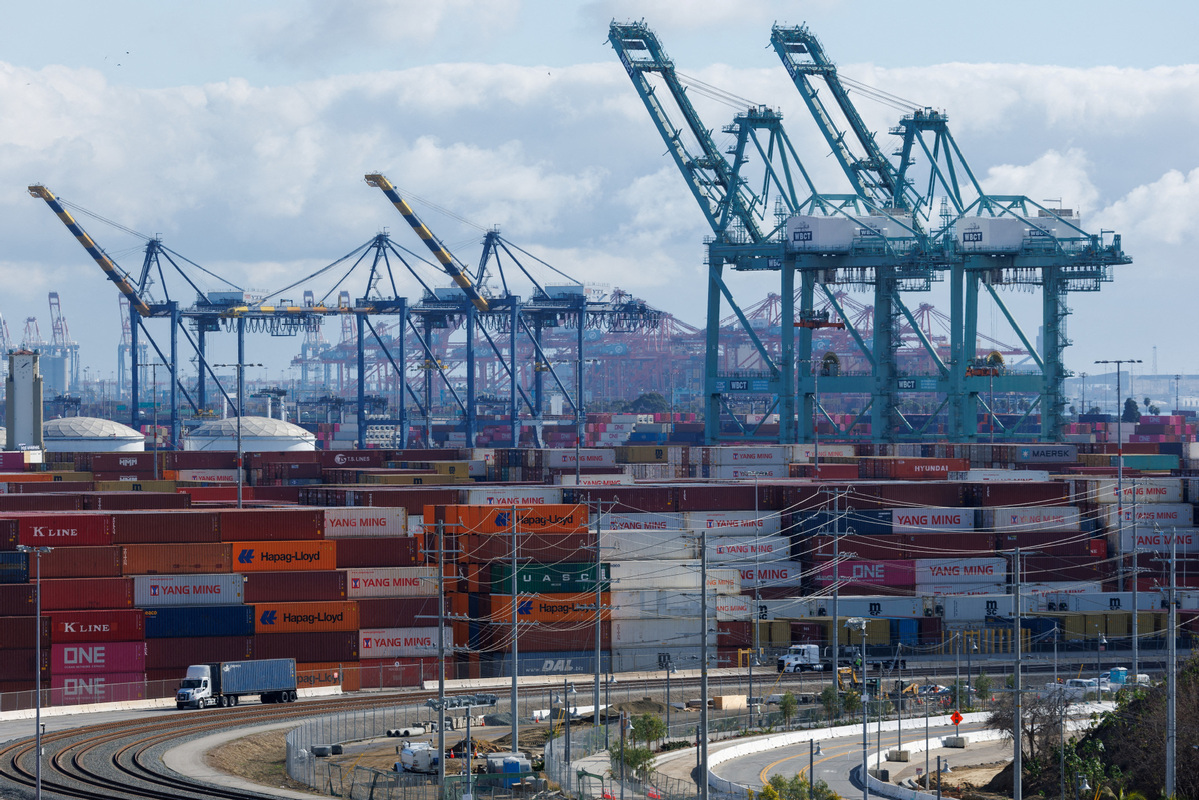
Importing goods from another country can open new opportunities for your business, but the shipping process often brings unexpected challenges. Delayed cargo, confusing customs requirements, rising freight costs, and poor communication can affect your sales and leave your money tied up in stock.
This is where freight forwarders in Pakistan can make a real difference. They coordinate the movement of goods, help prepare shipping documents, arrange suitable transport, and guide you through customs clearance. Instead of managing every step yourself, you have a logistics partner helping you keep the shipment organised.
For Pakistani importers buying products from China, the right freight forwarder can make importing easier to manage. Understanding how these services work will help you choose the right shipping method, avoid common mistakes, and plan your next shipment with greater confidence.
What Do Freight Forwarders Do?
A freight forwarder coordinates the movement of goods between the supplier and the final destination. Rather than acting as the carrier in every case, the forwarder arranges transport with shipping lines, airlines, warehouse operators, and other logistics partners.
For businesses in Pakistan, this support can cover several stages of an international shipment. A forwarder may arrange cargo collection, consolidation, freight booking, shipping documents, customs clearance support, and local delivery, depending on the services you choose.
For example, a Karachi retailer ordering phone accessories from China may need help collecting goods from a supplier in Guangzhou, arranging sea freight, and delivering the cargo after customs clearance. A freight forwarder can coordinate these steps instead of leaving the retailer to manage each provider separately.
How Freight Forwarders Simplify Shipping
International shipping involves several connected tasks, and a problem at one stage can affect the entire delivery. Freight forwarders help manage these tasks in a planned order, giving you a clearer view of costs, responsibilities, and shipment progress.
1. Choosing the Right Shipping Method
The best shipping method depends on your cargo size, delivery deadline, budget, and business requirements. Freight forwarders help you compare available options before you commit to a shipment.
For Pakistani importers, the main options usually include air freight and sea freight. Each serves a different purpose, so choosing based on your actual needs can help you avoid unnecessary expenses.
- Air freight suits urgent orders, lightweight products, and shipments that need shorter transit times.
- Sea freight is often more economical for bulky, heavy, or large-volume commercial cargo.
- Consolidated shipping combines compatible shipments from multiple customers into a shared load, helping smaller importers access more economical freight options.
For example, an online seller importing a small batch of mobile accessories may prefer air freight to replenish fast-selling stock. A furniture wholesaler ordering several cubic metres of products may find sea freight more suitable.
EB Logistics offers air cargo and sea cargo services for businesses importing from China to Pakistan, with options suited to different shipment sizes and delivery needs.
2. Managing Shipping Documents
Shipping documents help identify the goods, confirm the transaction, and support customs processing. Missing details or conflicting information can lead to questions, additional checks, and delays.
A freight forwarder can coordinate the required paperwork with your supplier and other parties involved in the shipment. The exact documents depend on the goods, shipping arrangement, and applicable import requirements.
Common documents include:
- Commercial invoice: Records the goods sold and their declared value.
- Packing list: Describes the packages, quantities, weights, and other cargo details.
- Bill of lading or air waybill: Provides transport documentation for sea or air cargo, respectively.
- Import permits or certificates: May be necessary for particular product categories.
Pakistan's Federal Board of Revenue provides information on customs registration and clearance procedures. Importers should confirm the current requirements for their particular goods rather than assume the same documents apply to every shipment.
3. Coordinating Customs Clearance
Customs clearance can be challenging for importers unfamiliar with Pakistan's import procedures. Authorities may review the declared value, product classification, supporting documents, and applicable duties or taxes before releasing goods.
Freight forwarders help coordinate the clearance process and identify documentation issues that may need attention. Depending on the arrangement, they can also work with customs agents and explain which charges or approvals remain outstanding.
However, customs clearance support does not guarantee immediate cargo release. Customs authorities may inspect shipments, request additional information, or apply specific requirements to regulated goods.
Before shipping, confirm that your product is permitted for import and check whether it requires a licence, certificate, or other approval.
4. Making Shipping Costs Clearer
Freight charges can include more than the advertised transport rate. Origin handling, documentation, customs duties, taxes, port charges, storage, and final delivery may affect the total amount you pay.
A freight forwarder can explain which charges apply to your shipment and help you compare quotes on a like-for-like basis. This makes it easier to calculate your landed cost, meaning the total cost of getting imported goods to the required destination.
Before accepting a quote, ask for clarity on:
- Freight charges and included services
- Customs clearance fees and applicable duties or taxes
- Origin and destination handling charges
- Storage, inspection, or delay-related costs where applicable
- Final delivery charges and any excluded services
For example, a wholesaler comparing two sea freight quotes should check whether both include customs clearance and local transport. The lower headline price may not represent the lower total cost.
Clear pricing helps you set more realistic product prices, protect your profit margins, and plan purchasing decisions with fewer surprises.
5. Providing Shipment Updates
Waiting for an international shipment without reliable updates makes business planning difficult. You may not know when to prepare warehouse space, arrange staff, or inform customers about incoming stock.
Freight forwarders can provide shipment status updates and communicate important milestones, such as dispatch, departure, arrival, and clearance progress. Tracking availability depends on the carrier and service arrangement.
This information helps you plan stock replenishment and respond to delays before they disrupt your operations. When requesting a quote, ask how updates are shared, who handles your queries, and what happens if the shipment misses its expected arrival date.
6. Arranging Warehousing and Delivery
International shipping does not always end when cargo reaches Pakistan. Goods may need temporary storage, sorting, consolidation, or onward transport before they reach your warehouse, shop, or customer.
Freight forwarders that offer these additional services can coordinate several stages through one logistics provider. This can reduce the effort involved in managing separate transport and storage arrangements.
Depending on your needs, support may include:
- Warehousing before dispatch or distribution
- Cargo consolidation for smaller orders
- Coordination of local transport after clearance
- Door-to-door delivery to an agreed destination
For example, a business importing products from several suppliers in China may arrange for the goods to reach a warehouse before being shipped together. Consolidation can reduce duplicated handling or transport costs, although savings depend on cargo dimensions, timing, and service charges.
How DDP Shipping Makes Imports Easier
Another option worth considering is DDP (Delivered Duty Paid) shipping. Under this arrangement, the seller is responsible for arranging delivery and handling import clearance, duties, and taxes as agreed under the applicable shipping terms.
For Pakistani businesses importing from China, DDP can reduce the need to coordinate multiple shipping stages independently. However, you should confirm exactly what the quoted service includes, who is responsible for import compliance, and whether any charges fall outside the agreement.
This option can be especially useful for business owners who want a clearer shipping arrangement without managing every logistics detail themselves.
EB Logistics provides DDP shipping services for China-to-Pakistan imports, helping businesses coordinate cargo movement, customs clearance, and delivery according to their shipping requirements.
How to Choose the Right Freight Forwarder
The freight forwarder you choose can affect your shipping costs, communication, and ability to plan inventory. Comparing providers carefully before booking helps you avoid problems that may become expensive after your goods leave the supplier.
Start by checking whether the provider understands your cargo type, shipping route, and import requirements. Then compare the practical details that will affect your experience throughout the shipment.
- Route experience: Look for experience with your specific trade route, particularly China to Pakistan if that is where you source products.
- Service options: Check whether the provider offers air freight, sea freight, customs clearance, and delivery services that match your needs.
- Clear quotations: Ask for a breakdown of included charges, excluded services, and possible additional fees.
- Communication: Find out how you will receive shipment updates and whom to contact if a delay occurs.
- Cargo handling: Ask how goods are received, stored, packed, and protected during transport.
- Delivery arrangements: Confirm the destination, expected timeline, and responsibilities for final delivery.
A reliable provider should answer these questions clearly before you commit. If important costs or responsibilities remain unclear, ask for written confirmation instead of relying on assumptions.
How EB Logistics Supports International Shipments
For businesses importing from China, coordinating suppliers, transport, customs, and local delivery can take valuable time away from daily operations. EB Logistics brings these services together, helping Pakistani importers manage their cargo through a more organised process.
With operations in Karachi and Lahore and warehouse facilities in Guangzhou and Yiwu, EB Logistics supports shipments from key Chinese sourcing locations to destinations across Pakistan.
Its services include:
- Air freight for time-sensitive shipments
- Sea freight, including FCL and LCL options
- DDP shipping and customs clearance support
- Warehousing and cargo consolidation
- Shipment tracking and door-to-door delivery arrangements
These options help small businesses, wholesalers, eCommerce sellers, and larger enterprises choose services that suit their cargo and purchasing requirements.
Get Your Next Shipment Moving
Every delayed shipment can affect stock availability, customer orders, and the money you have invested in your products. Having the right logistics support can help you plan ahead, understand your costs, and spend less time coordinating different shipping providers.
At EB Logistics, we help businesses importing from China to Pakistan arrange air freight, sea freight, DDP shipping, customs clearance, warehousing, and cargo delivery according to their needs.
Ready to plan your next import? Contact EB Logistics with your product details, quantity, cargo weight, carton dimensions, and delivery destination. Our team can help you discuss suitable shipping options and request a quote for your shipment.
Frequently Asked Questions
1. What do freight forwarders in Pakistan do?
Freight forwarders coordinate international cargo transportation, shipping documents, and related logistics services. Depending on the arrangement, they may also help with customs clearance, warehousing, cargo consolidation, and final delivery.
2. How much do freight forwarding services cost in Pakistan?
Costs depend on the cargo's weight, dimensions, shipping method, route, and required services. Customs duties, taxes, handling fees, and local delivery can also affect the total. Request an itemised quotation before booking.
3. Is air freight better than sea freight for imports?
Air freight is generally better for urgent, lightweight, or time-sensitive shipments. Sea freight is often more economical for heavy or bulky cargo. The right option depends on your delivery deadline, shipment size, and budget.
4. Can freight forwarders handle customs clearance in Pakistan?
Yes, freight forwarders can coordinate customs clearance or work with customs agents as part of their services. However, importers must still meet applicable regulations and provide accurate documents. Additional inspections or approvals may affect release times.