
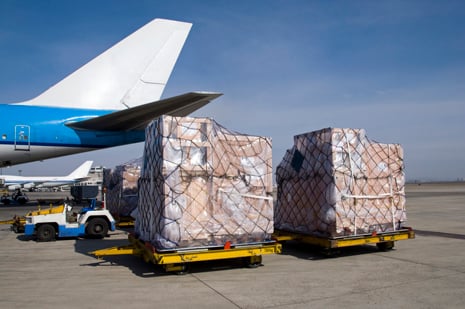
Global air cargo services face a growing storm: labor shortages that disrupt everything from warehouse sorting to plane turnarounds. By 2026, experts predict a 20% shortfall in ground staff alone, driving up costs by 15-20% and delaying shipments worldwide. For businesses relying on import from China to Pakistan, this means longer waits and pricier China to Pakistan shipping. Airlines, freight forwarders, and handlers must plan now; workforce gaps aren't just hurting capacity; they're reshaping delivery timelines and customer trust in cargo services.
Understanding the Air Cargo Labor Shortage
The crunch hits core roles hardest: ground handlers who load freight, warehouse teams sorting packages, pilots flying high-value loads, and maintenance crews keeping fleets airworthy. Post-pandemic, over 100,000 aviation workers left for good, per IATA reports, while baby boomers retire en masse. It's a double whammy, a raw headcount gap plus a skills mismatch. New tech like automated scanners demands digital know-how that many veterans lack, slowing Pakistan cargo services.
Major Causes Behind the Workforce Crisis
Demanding 24/7 shifts and heavy lifting cause 30% annual turnover in cargo handling. E-commerce giants and tech firms poach talent with cushy office jobs and stock options. Regulatory hurdles, like lengthy pilot certifications, block quick hires. Rising wages clash with union demands, squeezing margins for logistics companies. Add global events like supply chain snarls, and air cargo services feel the full pinch.
A Strategic Shift for Air Cargo Services
Band-aid fixes like temp hires fail as demand surges, think holiday peaks for how to import from China to Pakistan. Forward-thinking air cargo services now embed workforce planning into core strategy, syncing it with capacity forecasts and AI-driven demand models. This holistic approach ensures steady DDP shipping flows, turning potential chaos into reliable ops.
Automation and Technology as a Labor Multiplier
Robots and AI now handle 40% of sorting in major hubs like Dubai and Singapore, freeing humans for oversight. Digital platforms like Cargo Wise automate freight docs, slashing manual entry by 70%. Predictive analytics forecast staffing needs down to the hour, helping cargo services dodge overtime spikes. For import from China to Pakistan, this means faster clearances without extra bodies.
Upskilling and Reskilling Programs for Cargo Staff
Leading air cargo services pour millions into bootcamps, think 4-week courses on drone inspections or software for tracking. Cross-training lets one worker handle loading and basic IT, boosting flexibility by 25%. Partnerships with institutes like Pakistan Aviation Academy train locals for Pakistan Cargo Services, closing the skills gap affordably.
Improving Working Conditions to Retain Talent
Smart scheduling apps rotate shifts to cut fatigue, reducing errors by 15%. Packages like health insurance, gym perks, and profit-sharing keep turnover low, FedEx-style models prove it works. Career ladders from handler to supervisor motivate teams, vital for high-stakes environments in logistics companies.
Role of Government Policies and Industry Collaboration
Visa fast-tracks for skilled pilots and techs could fill 50,000 gaps, as seen in UAE reforms. Public-private funds build training centers, like India's aviation hubs. Groups like TIACA unite firms to lobby for sustainable policies, smoothing "China to Pakistan shipping" routes.
Case Examples: How Leading Air Cargo Providers Are Responding
Qatar Airways revamped Doha terminals with robotic arms, cutting ground staff needs by 30%. DHL's digital ops in Europe handle DDP shipping with half the paperwork team. Pakistan-based handlers invest in solar-powered smart warehouses, blending tech with local talent for resilient cargo services.
Risks of Ignoring Labor Shortages in 2026 and Beyond
Unaddressed gaps spark cascading delays, planes idle, shipments rot, and customers bail. Costs jump 25%, passed to importers via higher fees on how to import from China to Pakistan. Logistics companies risk losing market share to agile rivals, eroding trust in global trade.
What the Future Workforce of Air Cargo Will Look Like
Picture hybrid teams: humans directing AI fleets, analysts crunching real-time data. Roles shift to logistics orchestrators who blend tech and ops savvy. By 2030, 60% of jobs in air cargo services will demand coding basics, fueling demand for pros in high-growth areas like Pakistan cargo services.
Conclusion:
Air cargo services that automate boldly, upskill relentlessly, and prioritize people will lead in 2026. These strategies not only plug gaps but build tougher ops. Proactive planning defines winners, embraces resilience and innovation for unbreakable supply chains.
Ready for hassle-free import from China to Pakistan amid 2026 shifts? EB Logistics delivers expert air cargo services, DDP shipping, and full support as your trusted logistics company.
Frequently Asked Questions
Why is the air cargo industry facing labor shortages?
Burnout, retirements, and competition from tech/e-commerce sectors create deep gaps post-pandemic.
How will automation impact air cargo jobs?
It eliminates repetitive tasks but spawns high-skill roles, growing net employment in cargo services.
What skills will be in demand for air cargo workers in 2026?
Data analytics, AI oversight, robotics maintenance, and flexible ops for logistics company teams.
Can technology fully replace human labor in air cargo?
Nope, humans excel at judgment calls, safety, and adapting to surprises in "China to Pakistan shipping."