
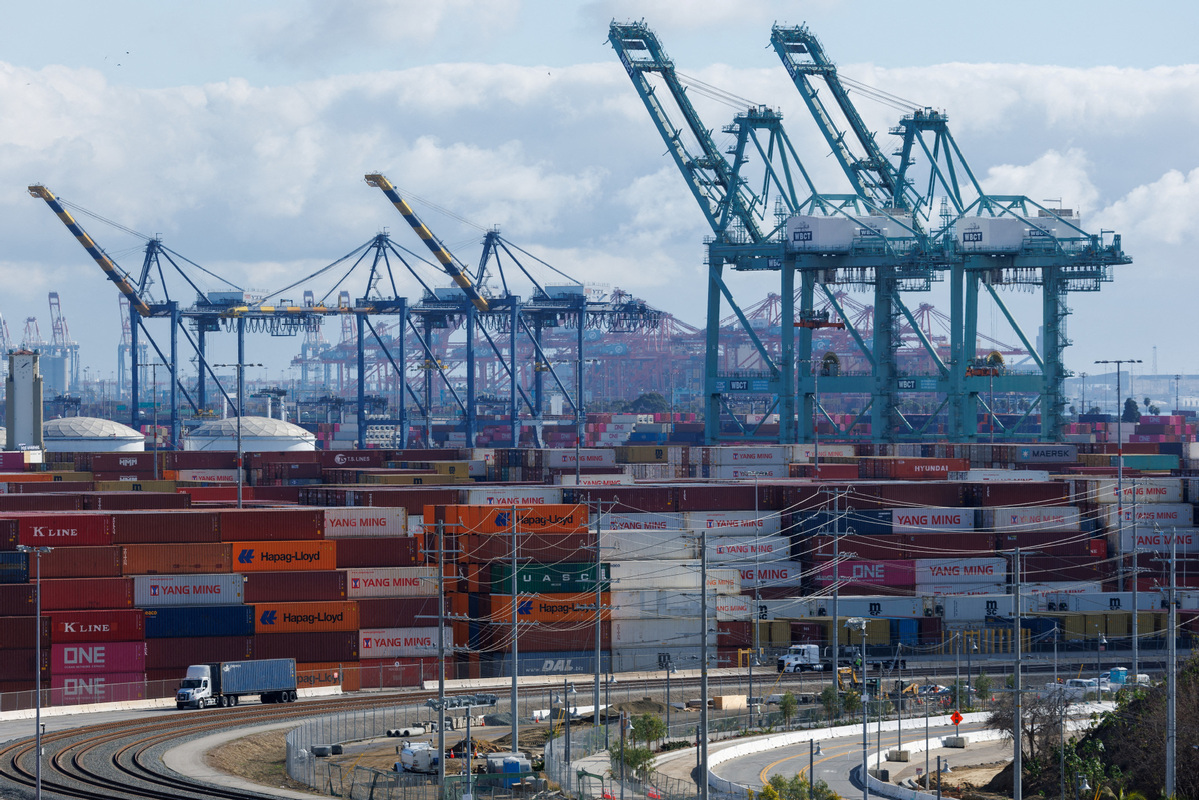
Struggling to get your goods delivered on time despite paying for DDP shipping? You're not alone. In 2026, the DDP (Delivered Duty Paid) model, where the seller handles everything from shipping to customs and delivery, faces a massive capacity crunch. Businesses importing goods, especially those looking to import from China to Pakistan, are hit hard by delays. This blog breaks down the problem and shares simple fixes to keep your China to Pakistan shipping smooth.
Understanding the DDP Shipping Capacity Crunch
The DDP shipping capacity crunch means there's just not enough space, ships, or trucks to handle all the demand in 2026. Think of it like a busy highway during rush hour, everyone's trying to move at once, but bottlenecks slow everything down.
Key causes include post-pandemic supply chain strains, global shipping container shortages, port congestion, and labor shortages. E-commerce demand has exploded, making it tougher for DDP shipping to keep up. For businesses using Pakistan cargo services, this leads to delays of weeks, higher costs, and unhappy customers who expect fast delivery.
The Challenges of DDP in 2026
DDP shipping sounds perfect—no hassle for the buyer, but 2026 brings real headaches. Freight costs are rising fast due to limited space. Delivery timelines are unpredictable, turning "two weeks" into "who knows?"
Carrier options for DDP shipments are slim, especially for routes like China to Pakistan shipping. Customs clearance bottlenecks add more delays, with paperwork piling up at ports. If you're wondering how to import from China to Pakistan without these issues, understanding these pain points is step one.
Key Strategies to Fix the Capacity Crunch
You don't have to sit back and wait. Here are practical ways to beat the DDP shipping crunch.
Optimize Carrier Partnerships
Team up with a reliable logistics company that offers backup options. Partner with multiple carriers who specialize in DDP shipping, this ensures you always have space. For import from China to Pakistan, choose ones with strong air cargo services and cargo services expertise to avoid single points of failure.
Advance Planning and Forecasting
Plan ahead with data. Forecast your shipment volumes using simple tools, then book DDP shipping space early. This dodges last-minute scrambles, especially for high-demand China to Pakistan shipping routes.
Flexible Route & Hub Management
Don't stick to one path. Explore alternative routes, regional hubs, or multi-modal options like combining sea with air cargo services. For Pakistan cargo services, this flexibility cuts delays and keeps costs down.
Leverage Technology & Automation
Use logistics platforms to track real-time shipping capacity. Automate customs paperwork for faster clearance. These tools make DDP shipping smoother, helping businesses master how to import from China to Pakistan efficiently.
Consider Partial DDP or Hybrid Models
Go partial DDP or hybrid, share some responsibilities to ease bottlenecks. Handle parts of the journey yourself, like local delivery, while using DDP shipping for the heavy lifting. It's a smart tweak for 2026.
Future Outlook
Post-2026, shipping capacity should improve with more containers and smarter ports. Innovations like AI-driven logistics and faster customs tech will prevent DDP bottlenecks. For importers, staying flexible with cargo services will be key.
Conclusion
The 2026 DDP shipping capacity crunch is real, but strategies like smart partnerships, booking, flexible routes, tech tools, and hybrid models fix it fast. Especially for importing from China to Pakistan, proactive steps keep your business running smoothly.
Start optimizing your DDP shipping today and stay ahead. Contact EB Logistics for expert Pakistan cargo services, air cargo services, and tailored China to Pakistan shipping solutions, they're your go-to logistics company.